
The Walls Are Gone: Competing in an Open, Always-On Retail Ecosystem
There was once a time in shopping centre folklore that you could build it and they will come. But so much has changed. Shopping centres are no longer closed boxes – and I don’t mean in the physical sense.
Nowadays they don’t just compete with the next centre in the trade area. They compete within a broader, more fluid ecosystem of experiences, platforms and places.
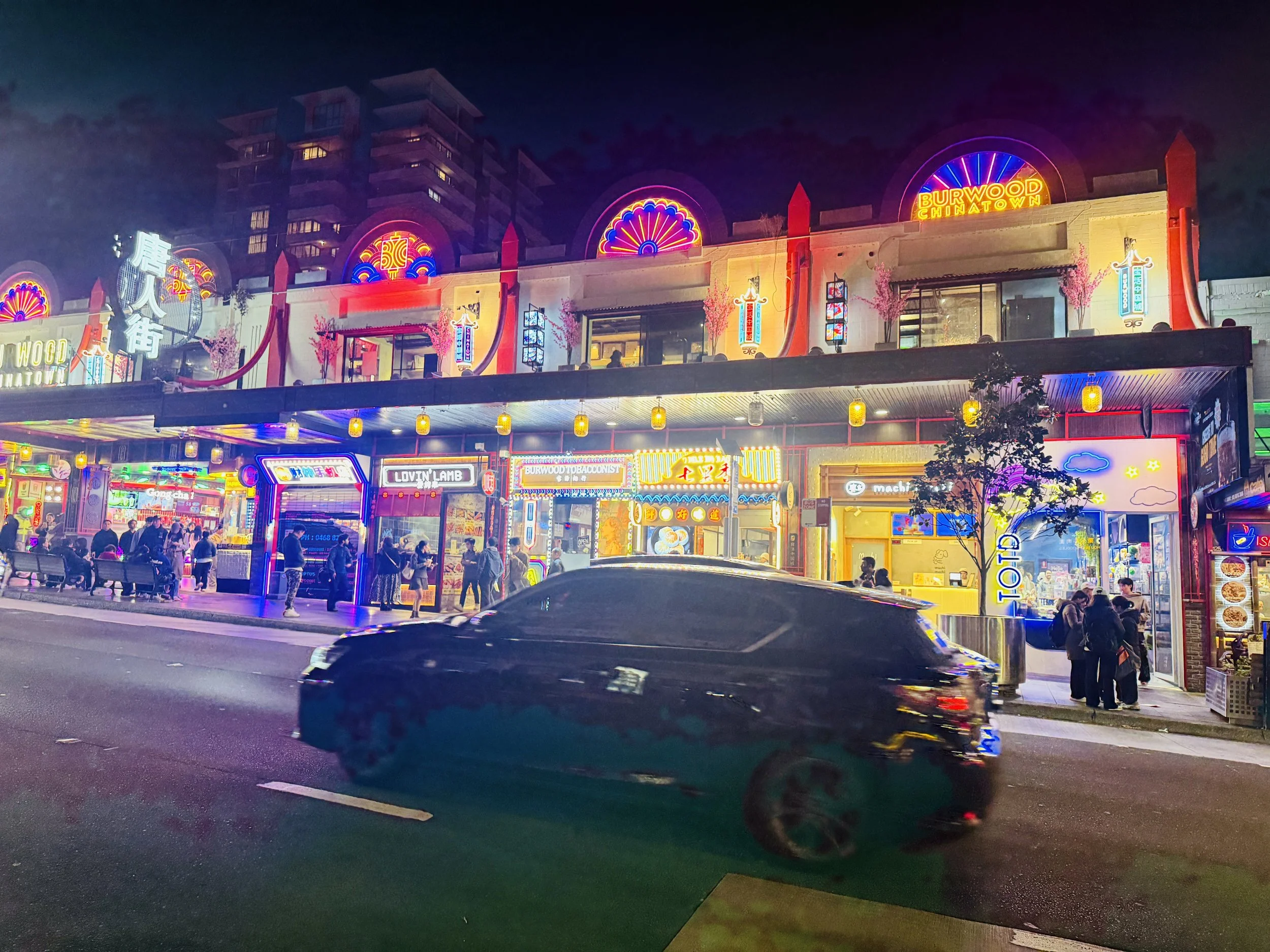
Today’s competitors include hospitality precincts, cultural and civic spaces, pop-ups and events, digital platforms and social commerce, at-home convenience – including the couch - and increasingly, each other’s content.
The competitive set is both physical and virtual and not necessarily in the same industry, and there are more players than ever.
This fundamentally changes the role of marketing.
Understanding the local trade area remains essential, but it is no longer enough. The most effective marketing strategies are informed by the macro, meaning what is happening outside the asset, across culture, policy, placemaking, economics, hospitality, safety, transport and digital behaviour.
Considering things like:
What is hospitality doing differently right now, and why is it resonating?
How is the focus on the 24-Hour Economy reshaping expectations around time, safety and experience?
Is a new Special Entertainment Precinct emerging in your LGA, and what does that mean for visitation and perception and competition?
What are councils, creatives and independent operators experimenting with, and what can be learned from it?
If marketing’s responsibility stops at foot traffic reports and “doing” Mother’s Day, Christmas and “a local community program with your schools or Rotary”, your strategy will always lag behind what’s needed to truly tap into what will drive connections to the place.
Shopping centres operate within ecosystems, economic, social and experiential. Marketing’s role is of course to promote what happens inside the walls, but also to interpret how the asset fits into a much larger, faster-moving world - and guide the decision making that is needed to keep it at the forefront of people's choices on how to spend their time and money.
And that macro view of the environment in which you operate is super helpful to have at the table when deciding where to and what next with your asset.
“If marketing’s responsibility stops at foot traffic reports and “doing” Mother’s Day, Christmas and “a local community program with your schools or Rotary”, your strategy will always lag behind what’s needed to truly tap into what will drive connections to the place.”